
Customer loyalty is not created by one good offer, one discount, or one clever advertisement. It is built slowly, through repeated experiences that make the people feel that they have made the right choice.
So, think about the brands you continue to purchase from. Maybe it is the same skincare brand, food delivery app, clothing label, bank, cafe, phone company or online store. You might have tried several options, but you still return to the same name.
Why is it so?
Most of the time, people stay because they feel that the brand is reliable. They know what to expect. They trust the quality. They also like the service. They feel understood. Over time, this converts normal purchases into brand loyalty.
For businesses, this matters a lot as loyal customers buy more than once. They come back, spend more, recommend the brand, and also reduce the pressure of finding new customers every month. That is why customer retention is not just a marketing goal but a well-defined business growth strategy.
What is Meant by Customer Loyalty?
In simple terms, customer loyalty means that a consumer chooses the same brand repeatedly, even when more options are available. It does not always indicate the fact that the brand is the cheapest. In many cases, people stay with the brand, as it gives them confidence, ease and consistent value.
A loyal customer may:
1. Purchase from the same brand regularly.
2. Recommend it to friends and family.
3. Trust the brand’s new products.
4. Ignore minor price differences.
5. Gives the brand another chance after encountering a small problem.
6. Feels emotionally connected to the brand’s experience.
This is totally different from a one-time purchase. A first-time buyer might get attracted by a discount or an advertisement. However, a loyal customer will always return as the brand has earned a special place in their routine.
Customer Loyalty and Brand Loyalty: Are They the Same?
Both the terms ‘customer loyalty’ and ‘brand loyalty’ are often used together, but they are slightly different. Customer loyalty is linked to repeated buying behaviour. Brand loyalty, on the other hand, goes slightly deeper. It means that a customer has formed a perception about the brand itself.
Mentioned below is the simple comparison between the 2 terms.
| Factor | Customer Loyalty | Brand Loyalty |
|---|---|---|
| Main focus | Repeat purchases | Emotional preference |
| Reason to stay | Good value, service or convenience | Trust, identity and connection |
| Example | A customer keeps ordering from the same app | A customer prefers one brand even when others are cheaper |
| Business value | Supports customer retention | Builds long-term brand strength |
Well, both are equally important. Customer loyalty brings people back, and brand loyalty enables them to choose you even when the competitors try to pull them away.
Why Does Customer Loyalty Matter for Businesses?
Well, acquiring a new customer is often an expensive decision compared to retaining an existing one. In fact, as per a study by Harvard Business Review, increasing customer retention by roughly 5% can easily increase the profit margins by 25% to 95%. This clearly shows why brands should not solely depend on new leads.
Repeat customers are regarded as a valuable asset, as they already understand the brand. Moreover, they require less convincing, are easier to communicate with and will be more open to new products and services.
Why Do People Stay With the Same Brand?
People do not remain loyal by luck or accident. They stay when the brand continues to fulfil their expectations.
1. They Trust the Product or a Service
Trust serves as the foundation stone for customer loyalty. If a product works well each time, customers will feel safe buying it again.
For instance, if a skincare product suits someone’s skin, they might not take the risk of switching. If a delivery app is reliable, the customer may not try another option unless there is a solid reason to do so.
Trust is one thing that helps in reducing doubt; once people feel confident, they will prefer to repeat the same choice again.
2. The Experience Feels Easy
Customers easily remember how a brand made their lives easier.
A smooth website, quick checkout, clear pricing, simple returns, and helpful support all help in improving customer retention rates. People do not like to make unnecessary efforts. So, if the buying process feels simple, they are more likely to return.
Convenience is very powerful when it comes to everyday purchases. A customer may stay with the same grocery app, salon, bank, or subscription-based service, as it saves time.
3. The Brand Delivers Consistent Quality
One good experience can easily attract a customer and consistently helps in achieving this.
In case the quality changes too frequently, people tend to lose confidence. As a result, they will start comparing their options. But when the brand delivers the same standard again and again, it becomes dependable.
This is the reason why brand loyalty becomes stronger. Customers start believing in this notion that “I know this brand will not disappoint me.”
4. Customers Feels Valued
People stay with the brands that treat them well.
This does not always mean quick discounts. It can also mean quick replies, honest communication, useful updates, polite service and fair problem-solving.
However, a customer who feels ignored may leave, even if the product is good. On the other hand, a customer who feels respected might stay even after a small mistake.
Loyalty will only grow when the customers feel that the brand cares after the sale, not only before it.
5. The Brand Matches Their Values
Modern customers often look beyond the product. They may also notice how a brand speaks, behaves, and responds to the issues.
Some people stay loyal as the brand supports sustainability efforts, ethical production, local communities, and honest pricing. While others connect with the brand’s personality, tone, and lifestyle message.
When the customers start viewing a brand as a part of their own values, the relationship becomes more emotional. This is also one of the reasons why loyal customers often defend or recommend the brands they believe in.
How Do Repeat Customers Help a Brand Grow?

Repeat customers are often seen as a valuable asset, as they help in creating stability. A business that only relies on new customers should keep spending heavily on brand visibility and acquisition.
Existing customers can support growth in several ways, such as:
| How Repeat Customers Help | Why It Matters |
|---|---|
| They buy again | Brings more predictable revenue |
| They spend more over time | Increases customer lifetime value |
| They refer others | Builds word-of-mouth trust |
| They give feedback | Helps improve products and services |
| They try new offerings | Supports launches and upselling |
This is why customer retention should be measured carefully, as brands need to know how many customers return, how often they buy, and why they leave.
How Can Brands Build Stronger Customer Loyalty?
Customer loyalty is something that is not built with guesswork. But it requires a clear experience that the customers want to repeat.
Here are some practical ways to achieve it:
1. Offers Reliable Quality
Customers should be able to receive what they expect every time. Quality should not depend on luck, season, or staff availability.
2. Makes Communication Clear
Confusing policies, hidden charges, and slow replies slowly damage the trust. However, simple communication helps the customers feel safe.
3. Reward Returning Customers
Loyalty programmes, early access, member benefits and personalised offers can pave the way for repeat purchases. But rewards should be useful and not forced.
4. Honestly Handle the Problems
It is quite natural to make mistakes. What matters here is how the brand responds. Quick support, fair solutions, and respectful communication can easily protect loyalty.
5. Personalise the Experience
Customers appreciate those brands that remember preferences, purchase history or needs. Personalisation can make the overall experience more relevant.
Common Mistakes That Can Break Customer Loyalty

Many brands quickly lose their loyal customers as they focus too much on acquisition and forget about the existing buyers.
Common mistakes include the following:
1. Providing better deals only to the new customers.
2. Ignoring complaints from the old customers.
3. Changing product quality without any explanation.
4. Making returns or support difficult.
5. Sending out too many irrelevant messages.
6. Hiding extra charges.
7. Failing to improve after feedback.
Well, loyalty is much easier to lose than to build. One bad experience may not end the relationship, but repeated frustration will.
Wrapping Up
Customer loyalty is built when people trust a brand enough to return again and again. It depends on quality, service, convenience, emotional connection, and honest communication.
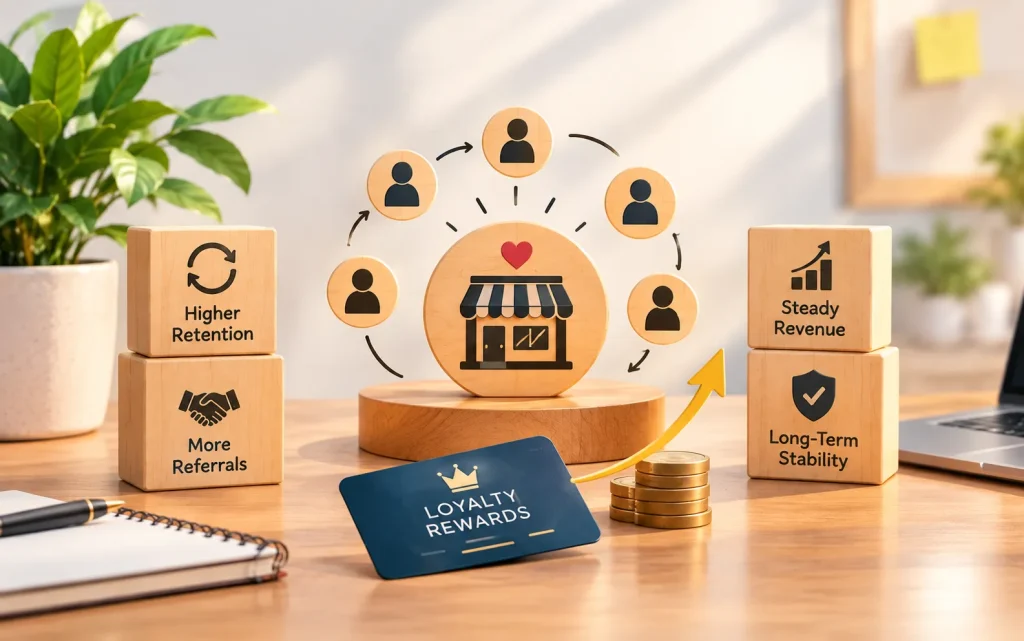
For businesses, loyal customers are not simply repeat buyers. They are a sign that the brand is doing something right. They help in improving customer retention, support referrals, and also help in creating long-term stability.
Therefore, the brands that win loyalty are not always the loudest in the market. They are often the ones who stay consistent, listen carefully, and make customers feel confident about coming back.
Learn practical insights on customer loyalty, consumer behaviour, branding, marketing, and business growth, along with opportunities to share your ideas through Write for Us at One Final Draft.
Frequently asked questions
What is meant by customer loyalty?
Customer loyalty refers to those consumers who repeatedly choose the same brand due to their trust in the product, service, and overall experience.
Why is customer loyalty important?
Customer loyalty enables businesses to increase repeat purchases, improve customer retention, reduce acquisition pressure, and build a stronger long-term relationship.
How can a brand increase its customer retention?
A brand can easily improve customer retention by providing consistent quality, clear communication, efficient support, useful rewards, and a simple customer experience.
What makes loyal customers different from regular customers?
Loyal customers may return more often, trust the brand more deeply and are more likely to recommend it to others.
Comments are coming soon. In the meantime, share this piece with someone who should read it.